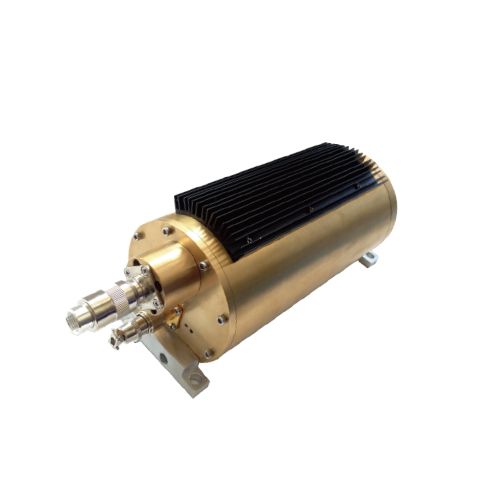
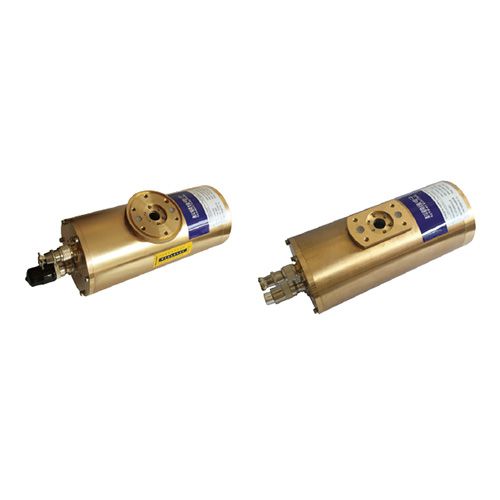
Why High Temperatures Matter for X-Ray Tube Performance
As ambient temperatures rise during summer, X-Ray Tube cooling becomes increasingly important.
Heat is one of the primary factors affecting X-Ray Tube performance, stability, and service life. Insufficient cooling can cause the internal temperature of the tube to increase rapidly, leading to reduced performance, accelerated component aging, or even irreversible damage that requires replacement.
For equipment used in XRF Analysis, XRF Coating Thickness Measurement, X-Ray Imaging, and Thickness Measurement, maintaining proper operating temperatures is essential for reliable long-term performance.
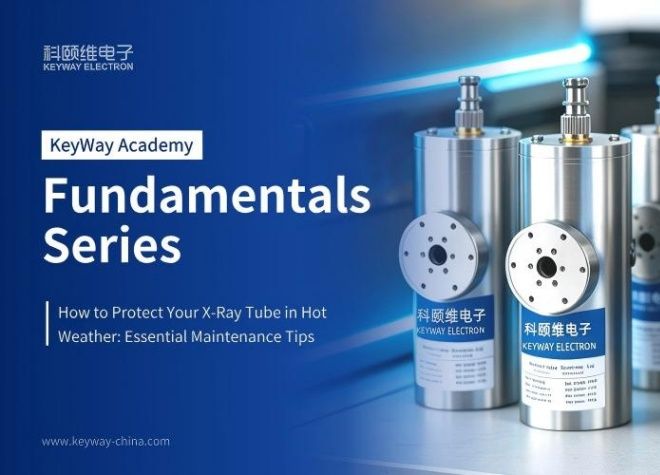
With over 28 years of expertise in X-Ray Technology, KeyWay Electron has compiled four practical recommendations to help protect your X-Ray Tube during high-temperature operation.
1. Ensure Efficient Cooling
Effective cooling is the foundation of long X-Ray Tube lifetime.
For a typical 50 W X-Ray Tube, we recommend the following:
Keep cooling fans running continuously whenever the tube is energized—even during short tests.
Ensure total airflow exceeds 150 CFM. A practical configuration is two 120 mm fans rated at approximately 100 CFM each.
Optimize airflow paths so that cool air reaches the hottest areas of the tube housing. High airflow alone is ineffective without proper air duct design.
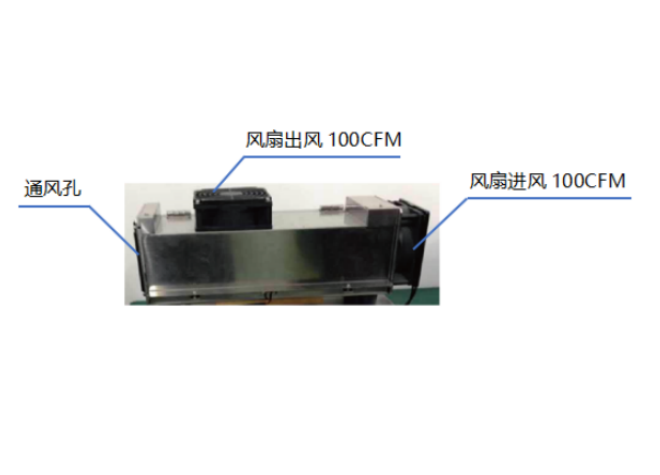
Proper thermal management significantly improves system stability and extends component life.
2. Monitor Temperature to Prevent Overheating
The maximum recommended housing temperature of the X-Ray Tube is 55°C.
Install a temperature sensor near the anode side of the housing and configure the system to automatically shut down the High-voltage Power Supply when the temperature reaches approximately 50°C (90% of the rated limit).
The sensor should always be installed near the anode because this area represents the highest operating temperature. Installing it on the cathode side may result in inaccurate readings and delayed protection.
Overheating can cause irreversible damage that cannot be repaired.
3. Maintain a Proper Operating Environment
Environmental conditions directly influence the reliability of X-Ray Components.
Recommended operating conditions:
Operating outside these conditions may result in unstable tube current, damage to the beryllium window, insulation failure, or vacuum leakage.
The storage and operating environment should also remain clean, dry, and free from corrosive gases.
Never touch the beryllium window, as it is extremely fragile and cannot be repaired once damaged.
If inspected samples release chlorine or hydrochloric gases during X-Ray exposure, isolate them from the tube to prevent corrosion.
4. Protect High-Voltage Connections
High-voltage connectors require proper insulation to ensure reliable operation.
Dust particles can accumulate inside cable sockets under strong electric fields. During hot and humid weather, moisture combined with dust can significantly reduce insulation performance, increasing the risk of electrical arcing.
Always apply sufficient high-voltage silicone grease inside the cable socket to fill all gaps and prevent dust and moisture from entering.
This simple preventive step helps protect both the cable and the X-Ray Tube.
Key Takeaways
For reliable summer operation, remember these four principles:
Proper preventive maintenance is the most effective way to maximize X-Ray Tube lifetime and avoid irreversible failures.
Learn More
Would you like to learn more about X-Ray Tube installation, operation, and maintenance?
Contact KeyWay Electron to request the KeyWay Electron X-Ray Tube User Guide, or speak with our engineering team for application-specific technical support.
Whether your system is designed for XRF Analysis, XRF Coating Thickness Measurement, X-Ray Imaging, or Thickness Measurement, we can help you select the right X-Ray Components for reliable long-term performance.
E-mail:service@keyiwei.com
Web:www.keyway-china.com
FAQ
Does hot weather reduce X-Ray Tube lifetime?
Yes. High temperatures increase the thermal load inside the tube, reducing cooling efficiency and accelerating component aging. Proper cooling and temperature monitoring are essential for long-term reliability.
What is the maximum recommended housing temperature?
The housing temperature should remain below 55°C. Automatic shutdown is recommended at approximately 50°C to prevent overheating.
Why should silicone grease be applied to high-voltage connectors?
High-voltage silicone grease seals the connector against dust and moisture, improving insulation performance and reducing the risk of electrical arcing.